



7 July 2026
Early findings of major study into rural touring highlight the positive impact of our sector – but also point to challenges.
A national survey of volunteers involved in rural touring got underway in March and concluded last month (June).
Preliminary findings of this research have now been released ahead of the soon-to-be published full report.
A rural touring story…
Culture, Well-Being and Economics: A rural touring story is a significant piece of research into a cultural sector that’s often off-the-radar.
The new work is a partnership between National Rural Touring Forum (NRTF) and the University of Warwick – supported by Arts Council England.
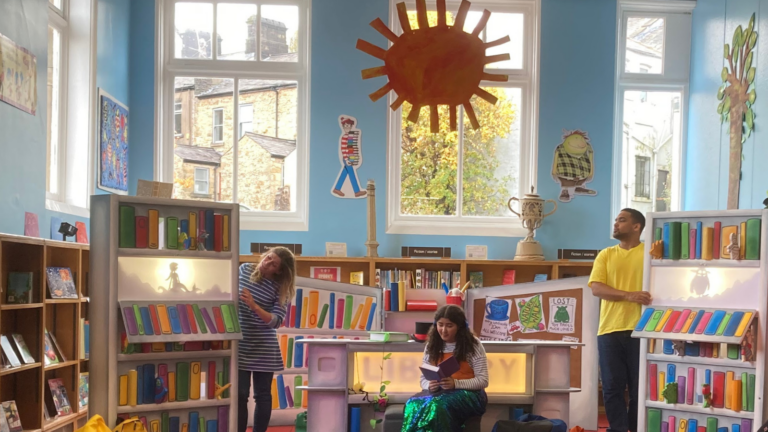
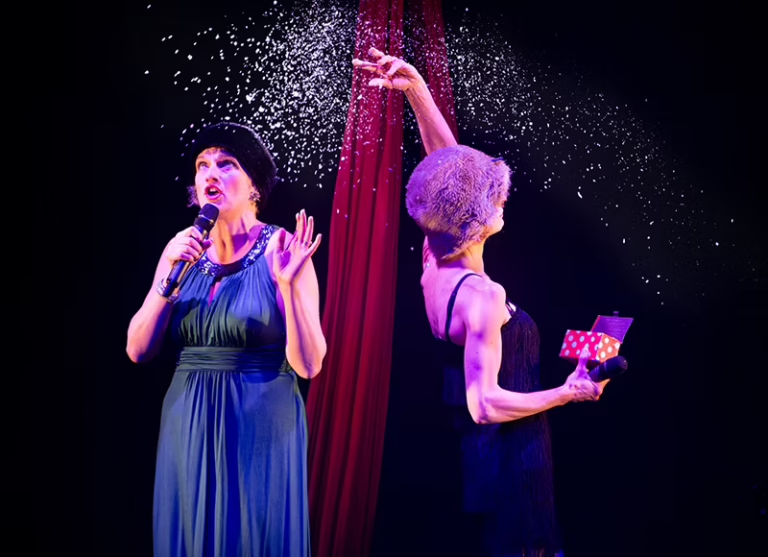
Rural and small-scale touring is about bringing enriching cultural experiences to communities off-the-beaten-track.
The last time the infrastructure of rural touring was researched was before the pandemic and a lot has changed since then.
The University of Warwick’s Vishalakshi Roy and Melanie Stavrou have now shared preliminary findings of their new research.
While the study is still in progress, 22 rural touring schemes from England, Scotland and Wales have participated, contributing in-depth data about the lived experiences, motivations and challenges of around 270 rural promoters and volunteers.
Initial findings…
-
Engagement in rural touring ensures a higher quality of life for residents which goes far beyond access to culture.
-
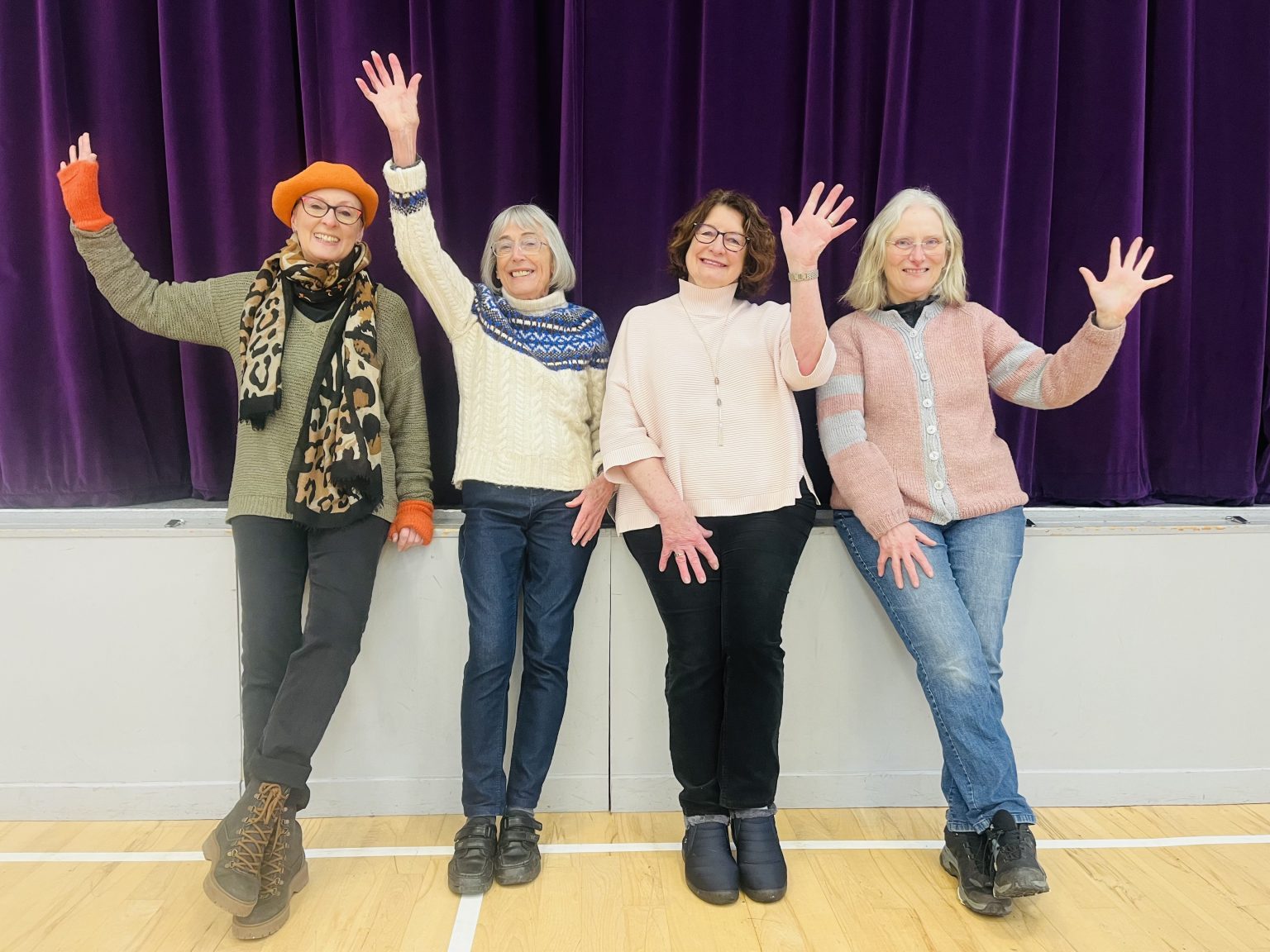
For individual volunteers, involvement in rural touring is associated with improved well-being and a stronger sense of belonging in the local community. It also plays a key role in combating loneliness and contributes to place-making for both those facilitating rural arts touring and those attending events.
-
While direct economic impacts for the rural area include income for venues through ticket sales, food and drink sales, and raffles; findings show that regular hosting supports ongoing infrastructure maintenance in these non-traditional venues, which in turn enables and encourages the use of venues for other cultural events, strengthening their role as rural cultural hubs.
-
There is also a wider fringe economic impact: events help raise profile of rural areas, attract audiences and stimulate local spending in pubs, shops and restaurants. This increased activity brings visitors but also enhances its appeal as a place to live.
Challenges to rural touring model
- Initial findings demonstrate a significant decline in rural touring audience numbers at a national level since the pandemic. Many rural touring schemes attribute the decline to funding uncertainties that are constraining organisational growth and limiting arts outreach to wider rural communities, despite increased interest and demand.
- Limited and stagnant funding, combined with the rising costs of delivering touring productions and the broader cost-of-living crisis, are placing increasing financial strain on organisers and audiences alike.
How is the sector responding?
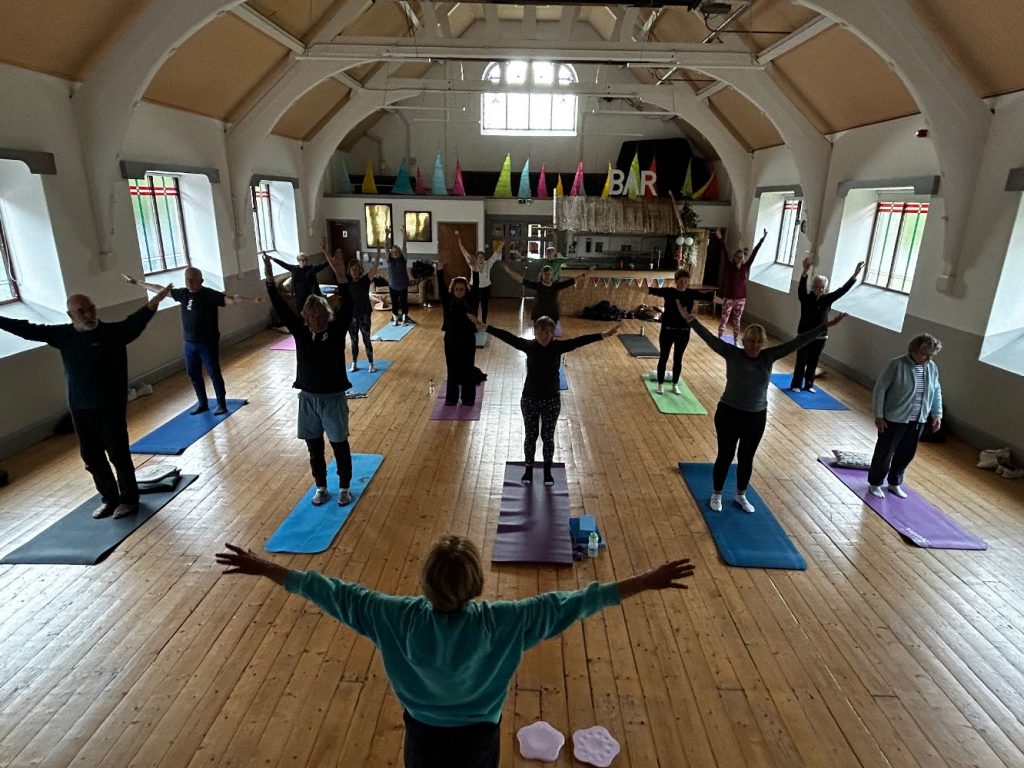
- Touring schemes, promoters and volunteers are developing creative alternatives. They are adapting their models by introducing additional venues to offset losses and diversifying or re-adjusting activities, such as a shift towards workshops, skills-based, or outdoor activities to attract participants.
- The novelty of the model is also demonstrated in its operational structure, as the majority of rural promoters work on a voluntary basis to fulfil multiple and complex roles essential to the delivery of arts in rural areas.
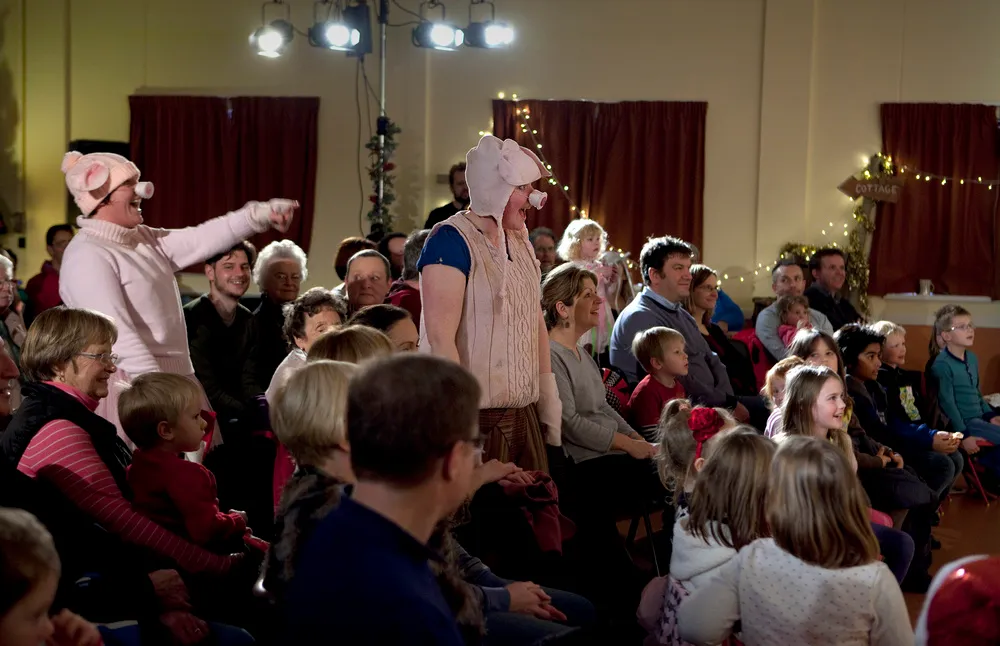
- There is a shift towards new venue types like pubs, alongside increased engagement with established community groups and schools. For two-thirds of the schemes, new partnerships are being established with health organisations, including NHS referral pathways and other cultural organisations focused on social health and well-being.
The full report is set to be published later this summer.