

News
“We are all people trying to make sense of a very complicated world”
5 March 2026
As part of International Women’s Day 2026 we profile an artist who left the big city to tour rurally and had a fantastic experience on several levels.
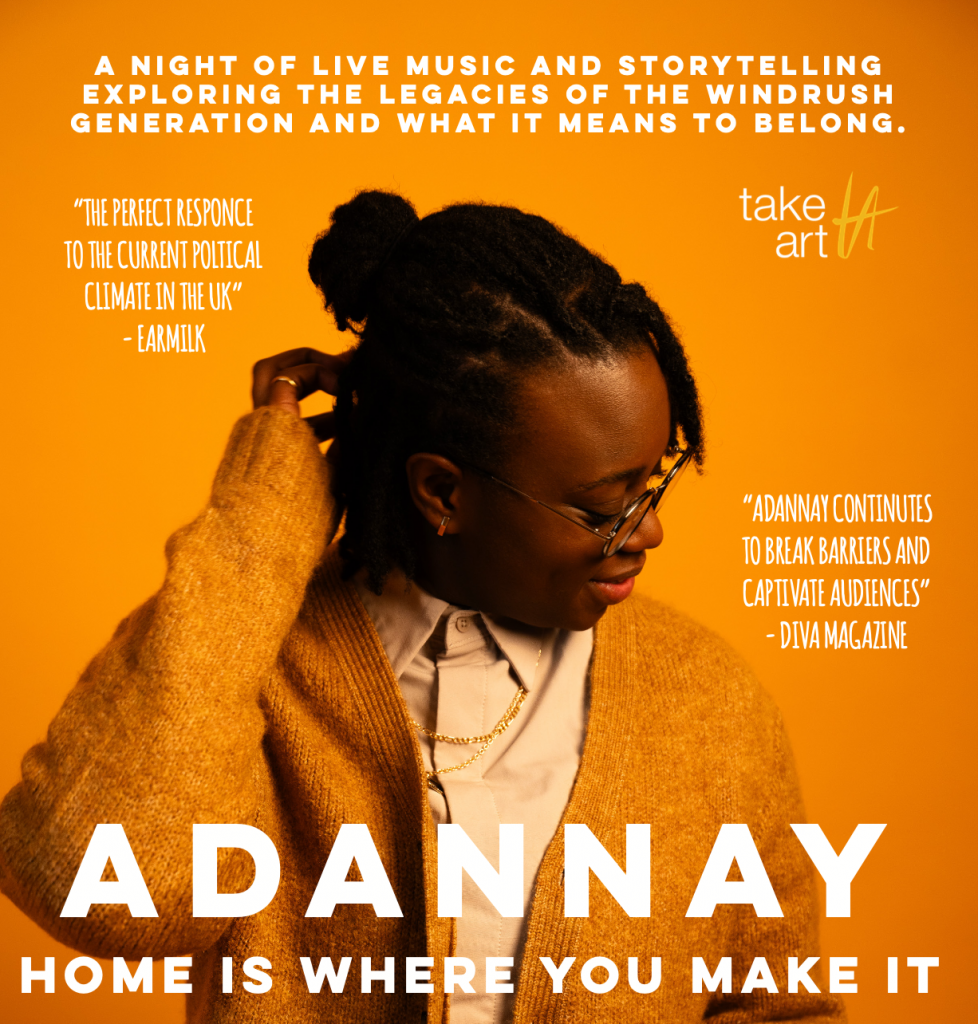
In October, soul artist ADANNAY toured three rural venues in Somerset with a show that used music, film and poetry to unpack the Afro-Caribbean lived experience in the UK from the Windrush generation to the modern day.
Take Art was proud to offer this show to its network of communities that showcased genres of music uncommon in rural touring and explored a cultural conversation of extreme importance.
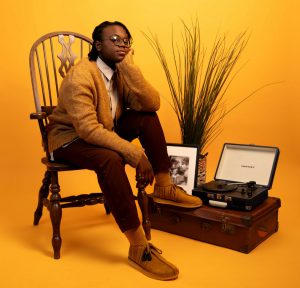
‘There is something special about arriving in a pace and transforming it together…”
As part of International Women’s Day celebrations we chat to artist ADANNAY about the energy and engagement created during a rural tour.
Had you performed in village halls before? What did you expect and how was it different?
The closest I had come to performing in a village hall was singing in my church hall while growing up, so the spaces felt surprisingly familiar. What was different to my expectations were the people and the communities that gathered to make each show happen.
There is something very special about arriving in a space and transforming it together. Each venue had its own energy and its own character and you could feel it shaping the show.
I have always believed that performances are created as much by the audience as by the artist and being in these village halls made that clearer than ever. We really felt who was in the room and the community that held the space with us and that was so beautiful.
Audiences make the effort to take in the art
What were the audiences like during your tour?
I loved how welcoming the audiences were throughout this tour. They felt incredibly present in a way that is very different to London or any major city I’ve played. Being in these smaller venues adds to that sense of connection but even more than that these audiences came because they genuinely wanted to engage with the music and the message behind the work. It was a gift to perform for audiences who were attentive and respectful and who made an active effort to take in the art. It felt rare and very special and it is a big part of why I can’t wait to do it again.
Memorable conversations after each show
What did you enjoy most about performing in Somerset?
I have to first shout out the promoters at Churchinford, Holford and Axbridge who clearly worked very hard to pretty much sell out the whole run!
But the most memorable part for me were the conversations after each show. So many people stayed behind to talk about how the songs around belonging and identity and the political reality of this country had landed with them on a personal level.
It felt like people needed permission to speak openly and to reflect on things we should all be talking about. It was an honour to hold those spaces and to experience that sense of connection through music and storytelling. Since the shows I have heard from promoters that the conversations have continued in each village. That means everything to me. That is the point of music and the heart of why I write the way I do.
What do you hope audiences take away from your shows?
Empathy. My music often takes scenarios and perspectives that are not always seen or easily understood. I want that to open doors for people to empathise with each other no matter who we are or what we look like. At each show I could feel that happening in the room. Seeing people recognise parts of themselves in my writing was incredibly moving.
Do you think there is a disconnect between urban and rural communities and how do you think there can be greater cross-cultural connection between city and village?
I do think there is a disconnect. Politically and socially and artistically. We all carry expectations and assumptions that come from stereotypes. But at the end of the day, we are all people trying to make sense of a very complicated world. Rural tours and organisations like Take Art are essential in bridging that gap. When we have the chance to speak honestly with each other about real things we realise how much more we have in common than what divides us, whether that is political or cultural or geographical or even emotional.
Find out more about Adannay HERE.